BFS에서 최단 경로 문제를 풀 땐 또는 방향 순서를 안정된 기준(예: 시계 방향) 으로 맞춰줘야 함
from collections import deque
case = int(input())
ans = []
for _ in range(case):
n = int(input())
graph = []
for _ in range(n):
row = [0] * n
graph.append(row)
distance = []
for _ in range(n):
row = [0] * n
distance.append(row)
start_x, start_y = map(int, input().split())
goal_x, goal_y = map(int, input().split())
# 시계방향대로 이동 할 수 있는 수를 둠, BFS에서는 방향 순서를 신경써야 함
    dx = [-2, -1, 1, 2, 2, 1, -1, -2]
    dy = [1, 2, 2, 1, -1, -2, -2, -1]
def BFS(y, x):
queue = deque()
queue.append((y, x))
graph[y][x] = 1
while queue:
y, x = queue.popleft()
if y == goal_y and x == goal_x:
return distance[y][x]
for i in range(len(dx)):
nx = x + dx[i]
ny = y + dy[i]
if 0 <= nx < n and 0 <= ny < n and graph[ny][nx] == 0:
distance[ny][nx] = distance[y][x] + 1
queue.append((ny, nx))
graph[ny][nx] = 1
ans.append(BFS(start_y, start_x))
for i in ans:
print(i)
from collections import deque
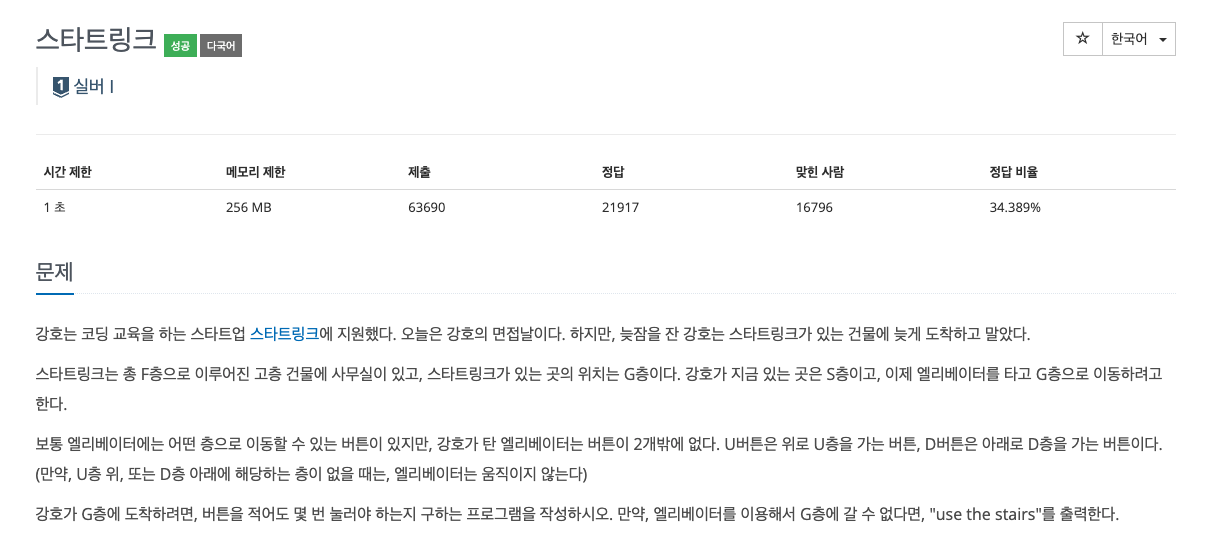
f, s, g, u, d = map(int, input().split()) # 건물의 총 수, 현재 위치, 회사 위치, 위로 u층, 아래로 d층

distance = [0] * (f + 1)
visited = [False] * (f + 1)

def BFS(s):
    queue = deque()
    queue.append(s)
    visited[s] = True

    while queue:
        current = queue.popleft()

        if current == g:
            return distance[current]

        for next in (current + u, current - d):
            if 0 < next <= f and not visited[next]:
                queue.append(next)
                visited[next] = True
                distance[next] = distance[current] + 1

    return "use the stairs"

print(BFS(s))
from collections import deque
n, m = map(int, input().split()) # 세로 크기(높이), 가로 크기
graph = []
for _ in range(n):
    row = list(map(int, input().split()))
    graph.append(row)

# 상하좌우 세팅
dx = [-1, 1, 0, 0]
dy = [0, 0, -1, 1]

def BFS(y, x):
    queue = deque()
    queue.append((y, x))
    graph[y][x] = 0
    count = 1

    while queue:
        y, x = queue.popleft()
        for i in range(4):
            nx = x + dx[i]
            ny = y + dy[i]

            if nx < 0 or ny < 0 or nx >= m or ny >= n:
                continue

            if graph[ny][nx] == 0:
                continue

            if graph[ny][nx] == 1:
                queue.append((ny, nx))
                graph[ny][nx] = 0
                count = count + 1


    return count

ans = []
art = 0
for y in range(n):
    for x in range(m):
        if graph[y][x] == 1:
            art = art + 1
            ans.append(BFS(y, x))


print(art)
if art == 0:
    print(0)
else:
    print(max(ans))
하지만 총 달걀의 수를 초과해서 구매할 수 없기 때문에 min함수를 사용하여 고객과 달걀의 수 중에서 최소값을 고른다
n, m = map(int, input().split()) # 달걀의 개수, 손님의 수
consumer = [] # 각 손님별로 구매할 수 있는 가격의 최대값
for _ in range(m):
    price = int(input())
    consumer.append(price)

consumer.sort()
idx = 0
ans_price = 0
ans_egg_price = 0
for p in consumer:
    count = min(n, len(consumer[idx:]))
    idx = idx + 1
    max_price = count * p
    if ans_price < max_price:
        ans_price = max_price
        ans_egg_price = p

print(ans_egg_price, ans_price)
person = {"name": "Alice", "age": 25}

print("name" in person)   # ✅ True
print("gender" in person) # ❌ False
정답
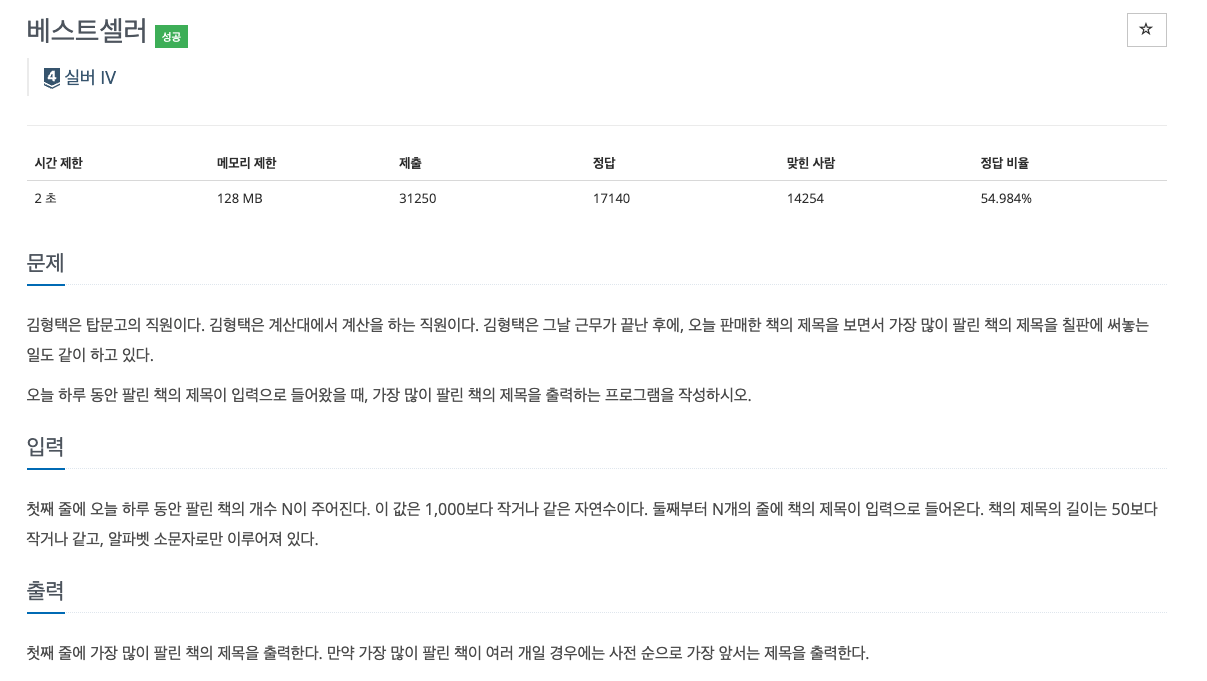
알파벳도 sort(), sorted() 함수로 오름차순, 내림차순 정렬이 가능함
n = int(input())
book = {}

for _ in range(n):
    title = input()

    # 이미 딕셔너리에 값이 있다면 1 증가, 아니라면 값 1 넣기
    if title in book:
        book[title] = book[title] + 1
    else:
        book[title] = 1

# 딕셔너리의 값들 중, 가장 큰 수 추출
best = max(book.values())

ans = []
# 딕셔너리를 탐색하며 가장 큰 수와 같은 값을 가진 책 이름 리스트에 추가
for key, value in book.items():
    if value == best:
        ans.append(key)
# 오름차순으로 알파벳 정렬
a = sorted(ans)
print(a[0])
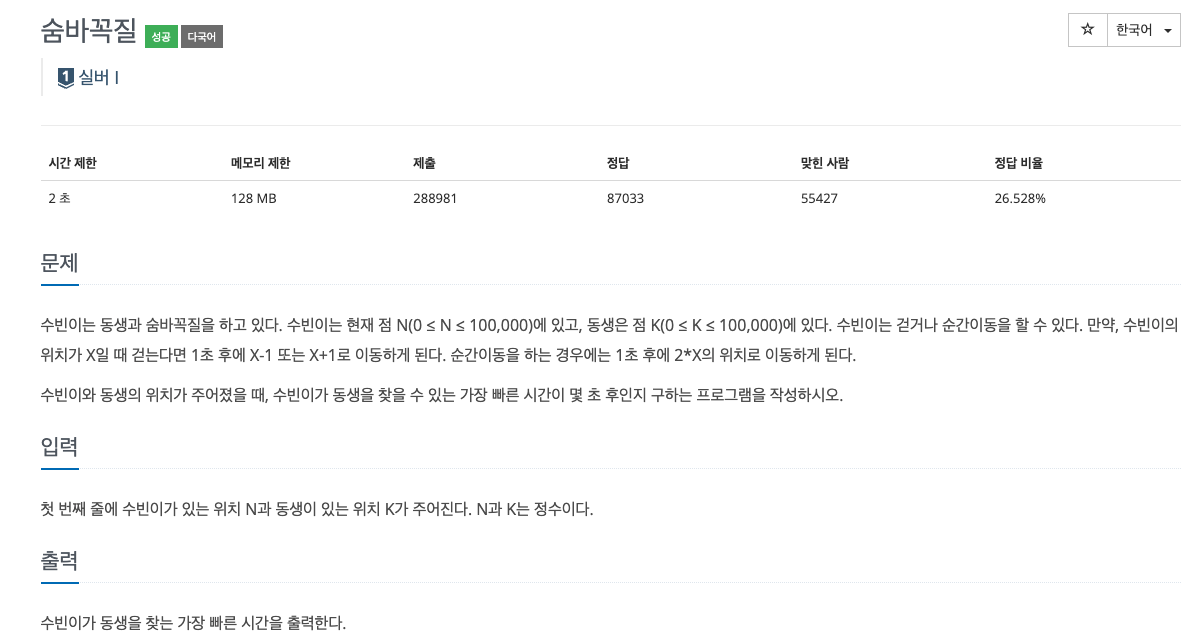
from collections import deque
n, k = map(int, input().split())

def BFS(n, k):
    # 최대 점의 길이 + 1 (리스트는 0부터 시작하므로)
    max_value = 100001
    # 방문을 체크할 리스트
    visited = [False] * max_value
    # 최초 시작지점 (수빈이의 위치)부터의 거리를 담는 리스트
    distance = [0] * max_value
    queue = deque()
    queue.append(n)
    visited[n] = True

    while queue:
        current = queue.popleft()

        # 현재 위치가 동생의 지점이라면, 수빈이의 지점부터 동생의 지점까지의 거리 반환
        if current == k:
            return distance[current]

        # 현재 위치가 동생의 지점이 아니라면, 수빈이가 갈 수 있는 경우의 수 걷기, 뛰기를 적용하여 조건에 부합한다면 큐에 넣기
        for next in (current - 1, current + 1, current * 2):
            # 0이상, 100000이하이고 방문하지 않았다면
            if next >= 0 and next < max_value and not visited[next]:
                queue.append(next)
                visited[next] = True
                distance[next] = distance[current] + 1

print(BFS(n, k))
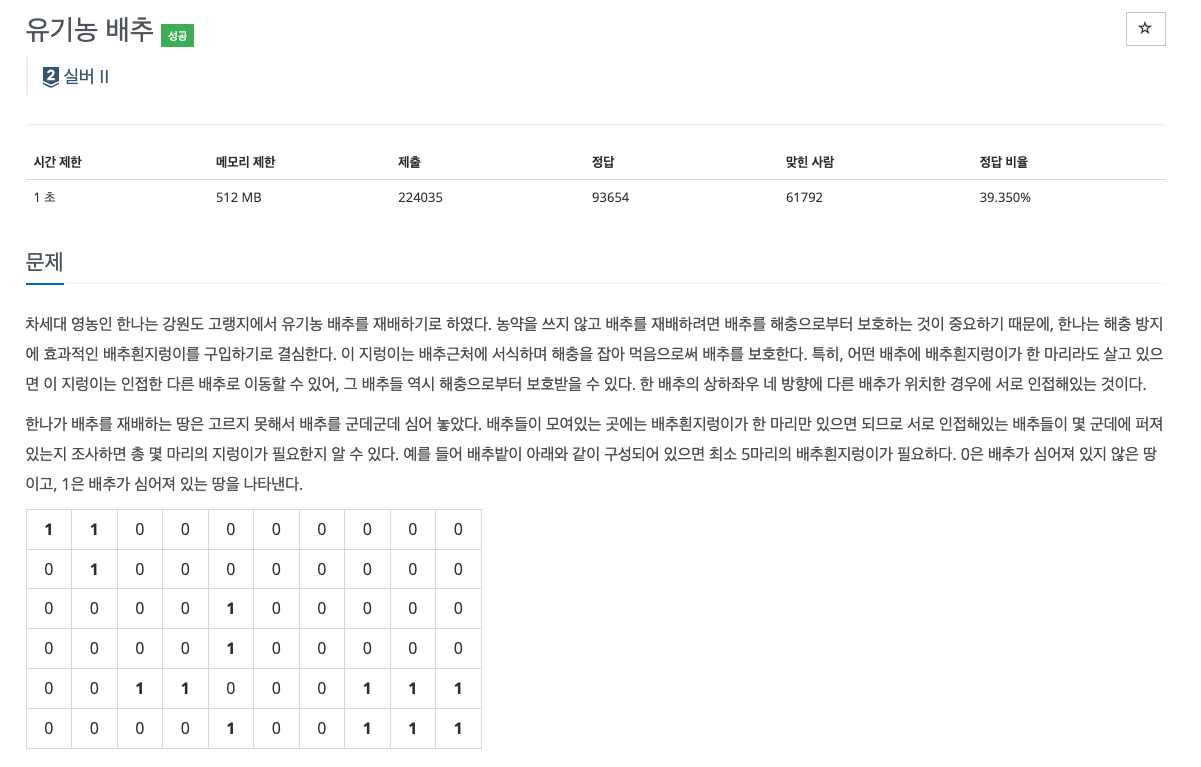
from collections import deque
t = int(input())
ans = []
for i in range(t):
    m, n, c = map(int, input().split()) # 배추밭 가로길이, 세로길이, 배추가 심어져 있는 개수

    # 배추밭 세팅
    graph = []
    for _ in range(n):
        row = [0] * m
        graph.append(row)

    for _ in range(c):
        x, y = map(int, input().split())
        graph[y][x] = 1

    # 상하좌우 세팅
    dx = [-1, 1, 0, 0]
    dy = [0, 0, -1, 1]

    def BFS(y, x):
        queue = deque()
        queue.append((y, x))
        graph[y][x] = 0

        while queue:
            y, x = queue.popleft()
            for i in range(4):
                nx = x + dx[i]
                ny = y + dy[i]

                if nx < 0 or ny < 0 or nx >= m or ny >= n:
                    continue

                if graph[ny][nx] == 0:
                    continue

                if graph[ny][nx] == 1:
                    queue.append((ny, nx))
                    graph[ny][nx] = 0


    count = 0
    for y in range(n):
        for x in range(m):
            if graph[y][x] == 1:
                count = count + 1
                BFS(y, x)

    ans.append(count)

for i in ans:
    print(i)